Pattern - No 006


Toniebox Cover with Elastic

What's Included
-
– Pattern in A4, A3 and US-Letter format
 Toniebox CoverSchnittmuster (PDF) - DIN A4, DIN A3, US-Letter3 Files
 - – Detailed instructions with 9 illustrated steps
- – Complete materials and tools list
-
– 2 basics guides with tips and tricks
- • Why and How to Finish Fabric Edges
- • Pen, Chalk, or Marker? How to Mark Fabric Properly
- – Multilingual support (DE/EN)
- – Everything in One Place
Required Materials
-

Fabric: 53 x 23 cm
I used an elastic plush fabric. Test beforehand whether the fabric affects the sound of the Toniebox, as some materials can have a dampening effect.
-

Elastic Band: 5 mm x 34 cm
For the elastic casing at the top edge
-

Sewing Thread: Universal Sewing Thread, Size 120 Suitable for the recommended needle size NM 70-80. If you have elastic sewing thread, this is ideal for stretchy fabrics.
Required Tools
-
Sewing Machine – Suitable for elastic fabrics, with a stitch that preserves stretchability.
-

Scissors - A large fabric scissors for cutting and a small thread snip for precise work.
-

Pins or Fabric Clips
-

Measuring Tool
-

Chalk or Marker – For marking darts.
-

Bodkin or Safety Pin – For threading the elastic band through the casing.
Description
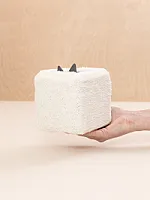
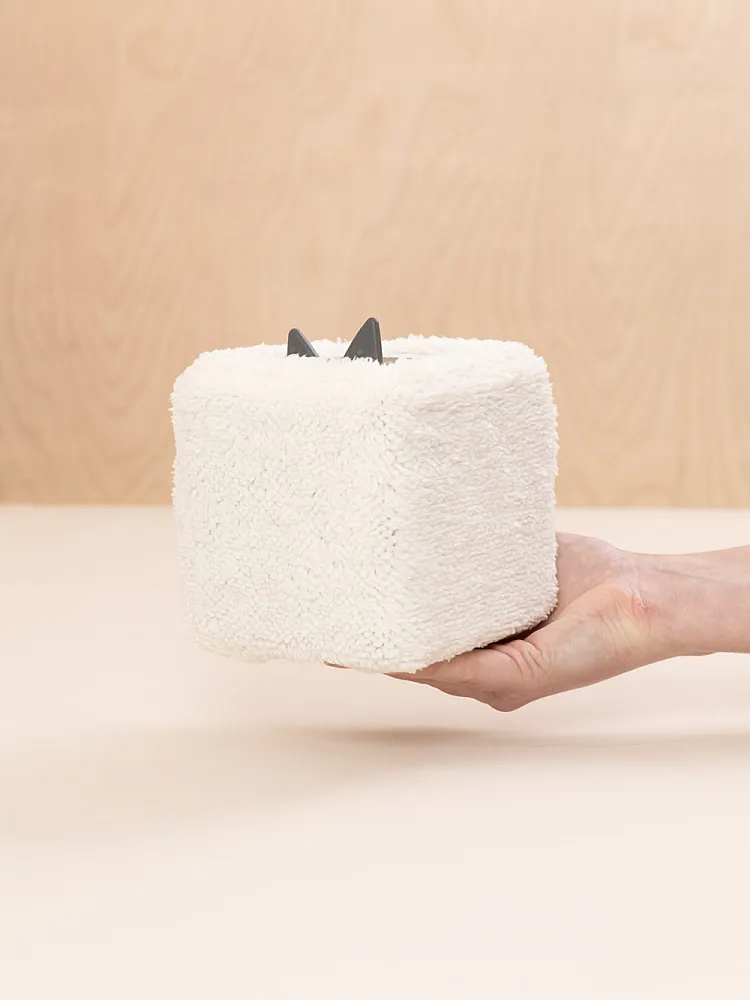
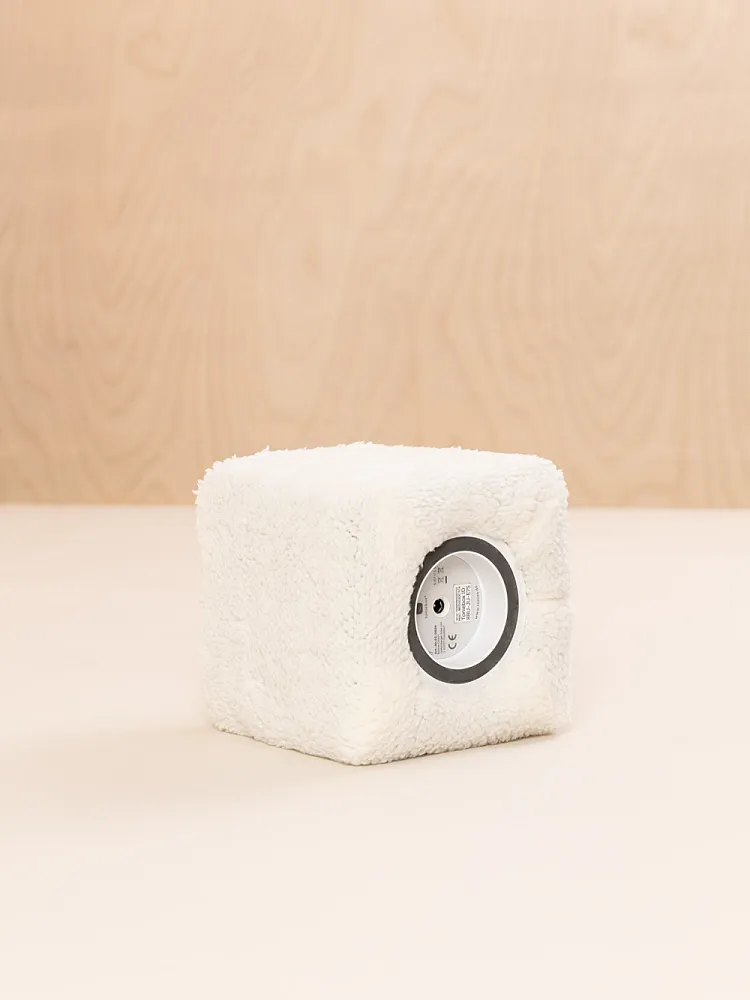
The Plush Toniebox Cover was born out of my passion for cuddly plush fabrics. After getting lost in countless Pinterest boards full of plush ideas, I came up with the idea of using this wonderful fabric to make a cover for our Toniebox. I was immediately impressed by the elastic plush - not only does it look great, but it doesn't affect the sound of the box, creating the perfect compromise between look and function.
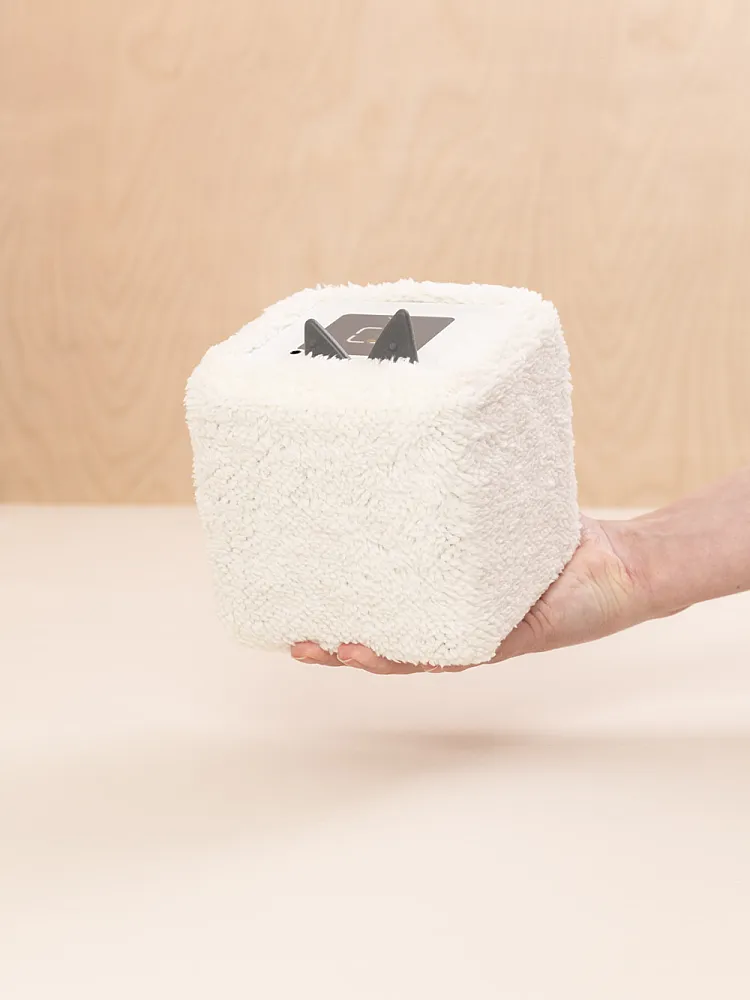
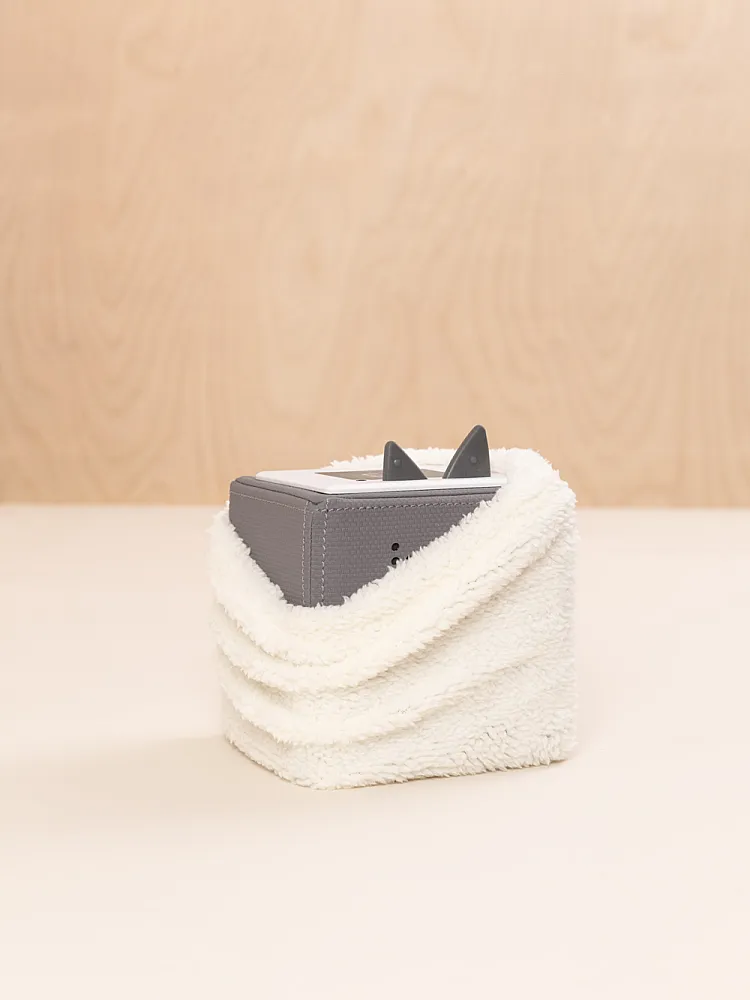
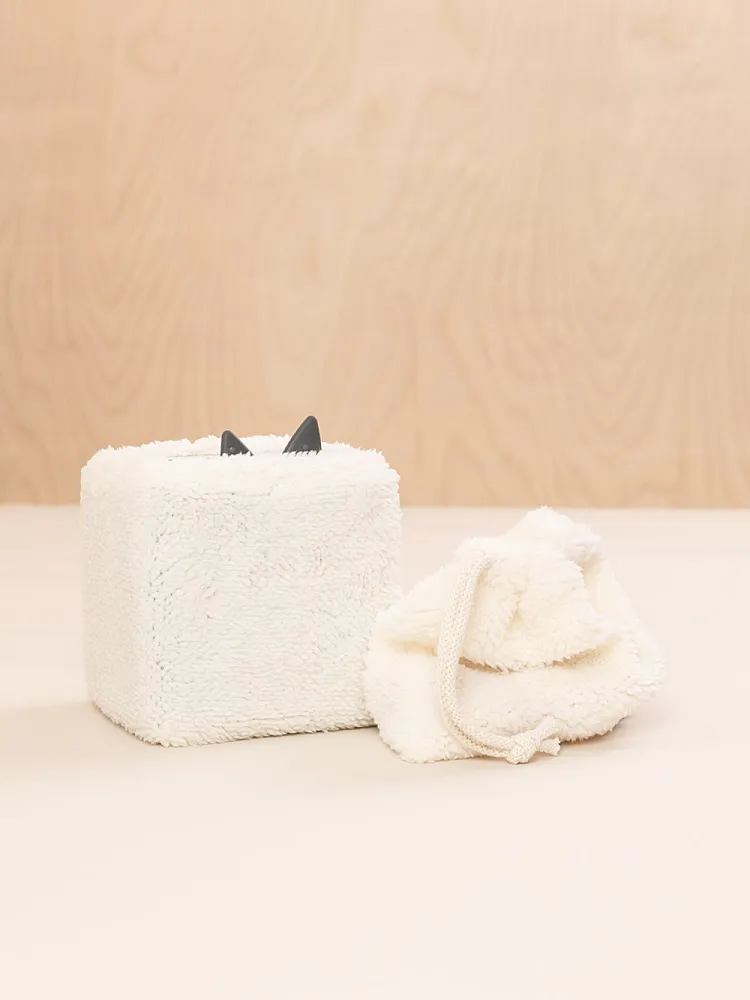
I paid special attention to designing a cover that would be easy to sew and still fit well without too many visible seams. My solution was an elastic band at the top and corners that are tucked under the bottom of the box. This way the cover is held securely in place and does not interfere with the loading of the box.
The first cover was made because we had decided on a gray box, so we really needed a new look - to match my daughter's favorite color: pink. The plush cover not only refreshed the look of the box, but also turned it into a cuddly companion.
If you're thinking of sewing a plush cover for your sound box, here's a little tip: Test the fabric by placing it over the speaker to make sure it won't affect the sound. Some fabrics can be surprisingly sound absorbing, and it's also important to check the opacity of the fabric to make sure no distracting splashes of color show through.
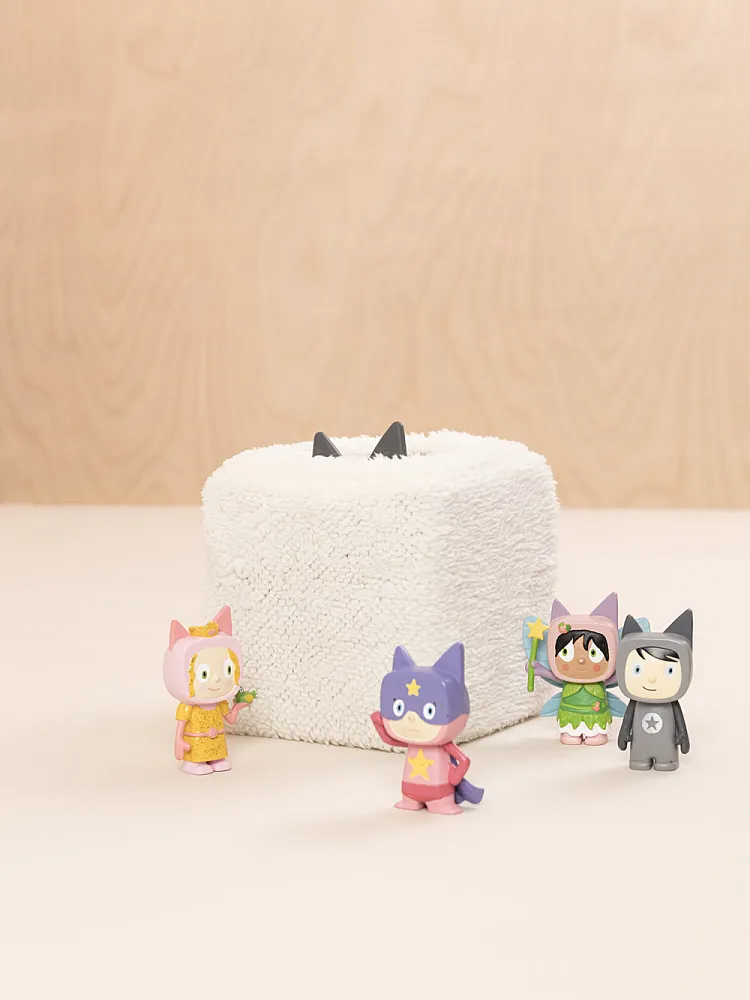
What I really like about the finished cover is how quickly the Toniebox can be transformed - it's like a little sweater that gives it a new, cozy life and is easy to change. The kids' reactions speak for themselves: they love the new look of their Toniebox, and I have sewn and sold over 800 of these covers.
If you are looking for a creative project for beginners, this cover is perfect. Not only does it protect the box, but it also offers plenty of possibilities for customization.
- Cuddly plush fabric: Makes the Toniebox a cozy companion.
- Easy handling: Elastic band ensures a secure fit without slipping.
- Sound test important: Check the fabric so as not to affect the sound quality.
- Customizable: Give the cover a personal touch with details or a face.
Size: Perfect fit for the standard Toniebox.
Pattern - No 006
Toniebox Cover with Elastic
What's Included
-
– Pattern in A4, A3 and US-Letter format
Toniebox CoverSchnittmuster (PDF) - DIN A4, DIN A3, US-Letter3 Files
- – Detailed instructions with 9 illustrated steps
- – Complete materials and tools list
-
– 2 basics guides with tips and tricks
- - Why and How to Finish Fabric Edges
- - Pen, Chalk, or Marker? How to Mark Fabric Properly
- – Multilingual support (DE/EN)
- – Everything in One Place
Reviews

Loading reviews...
(5/5)
Bonne reception du patron Merci
(5/5)
Great pdfs! I Definitely recommend
(5/5)
Die Anleitung ist super verständlich und lässt sich auch wunderbar mit Trägern usw. erweitern.
(5/5)
Tolle Anleitung und super erklärt.
(4/5)
Très bien mais attention ce n’ai pas en français.
Related Products
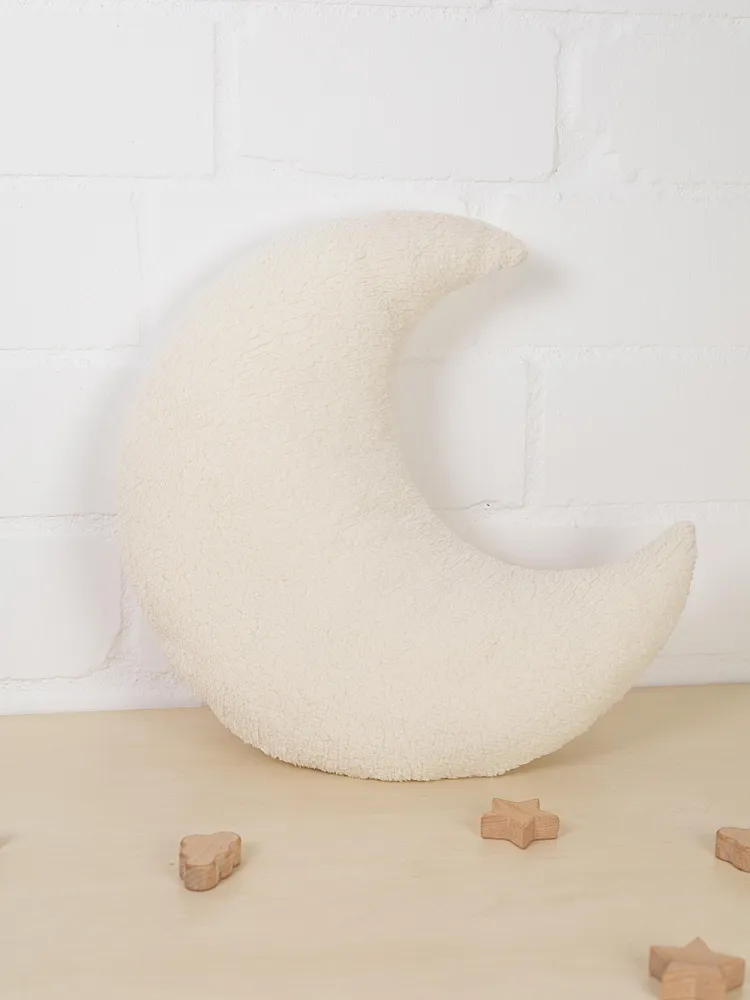
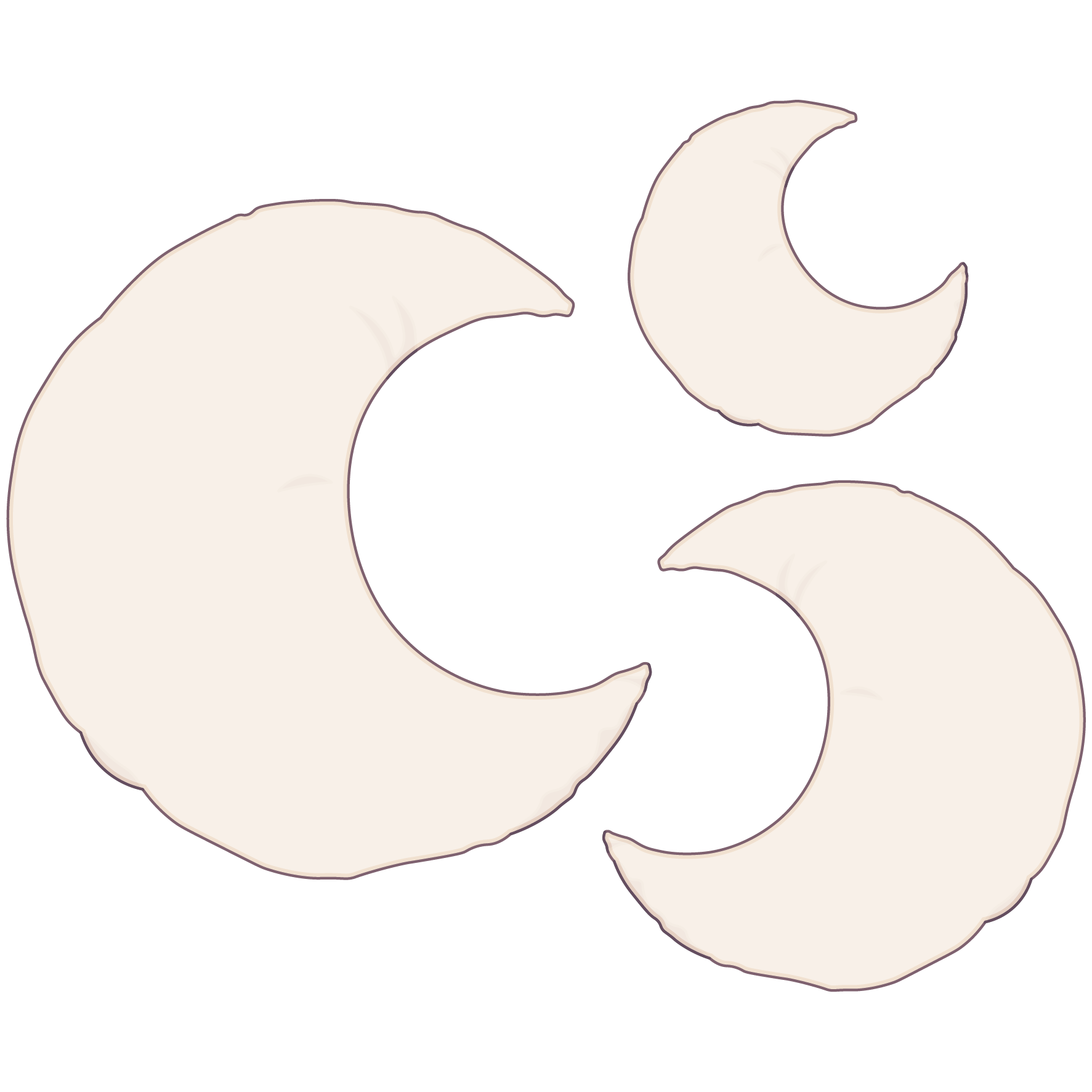
Moon Pillow
(8)
3,36 €
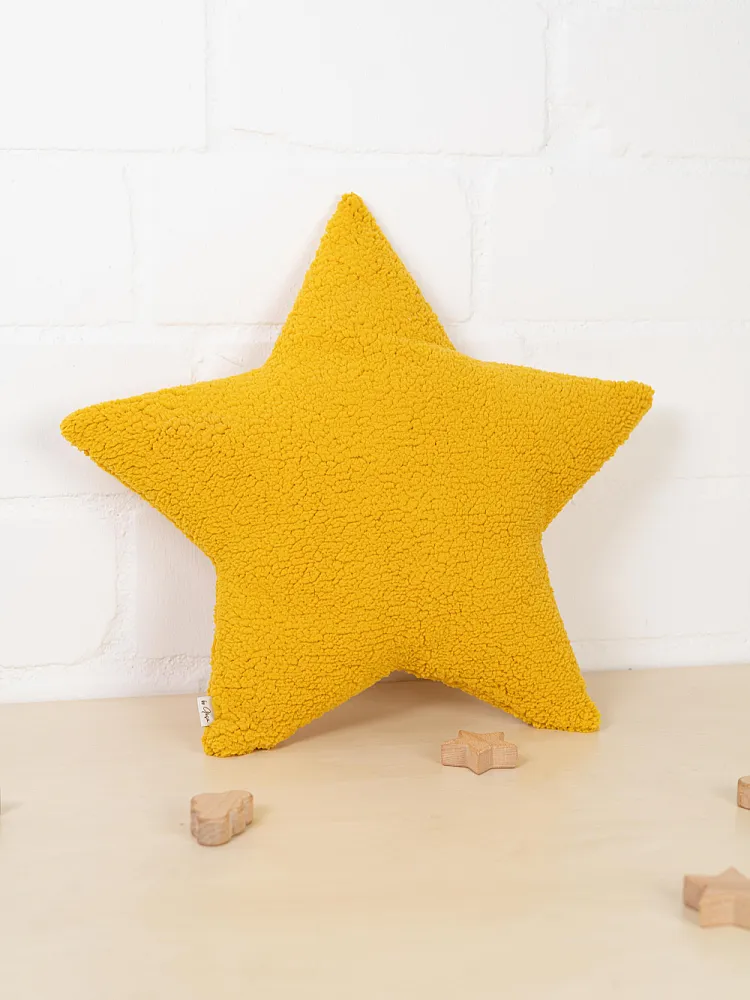

Star Pillow
(7)
3,36 €
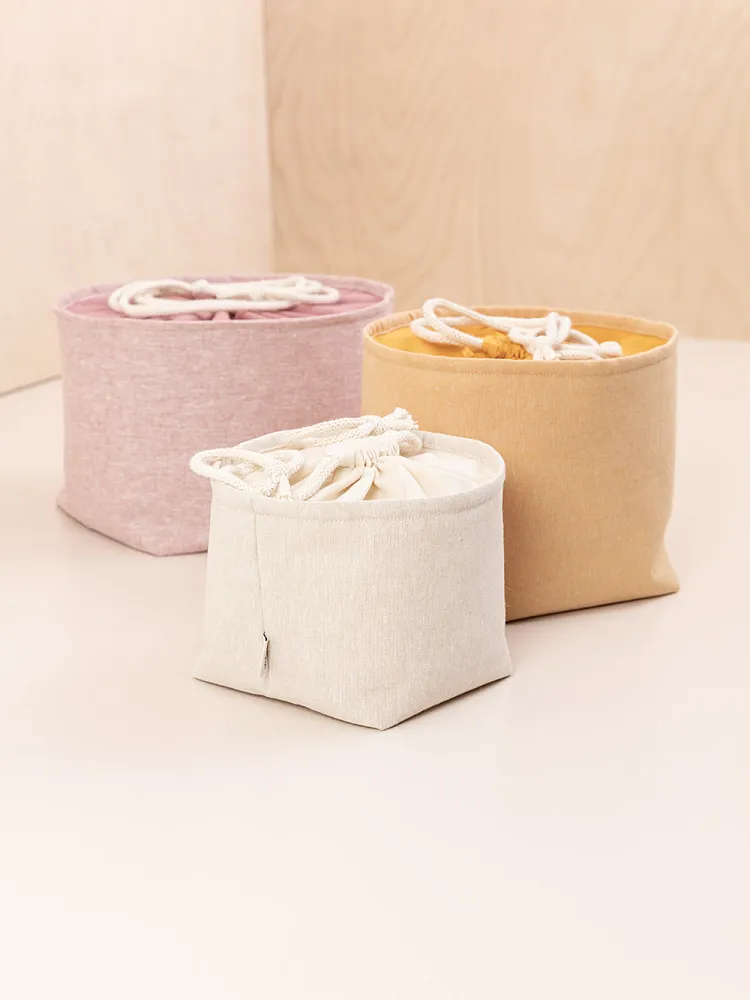
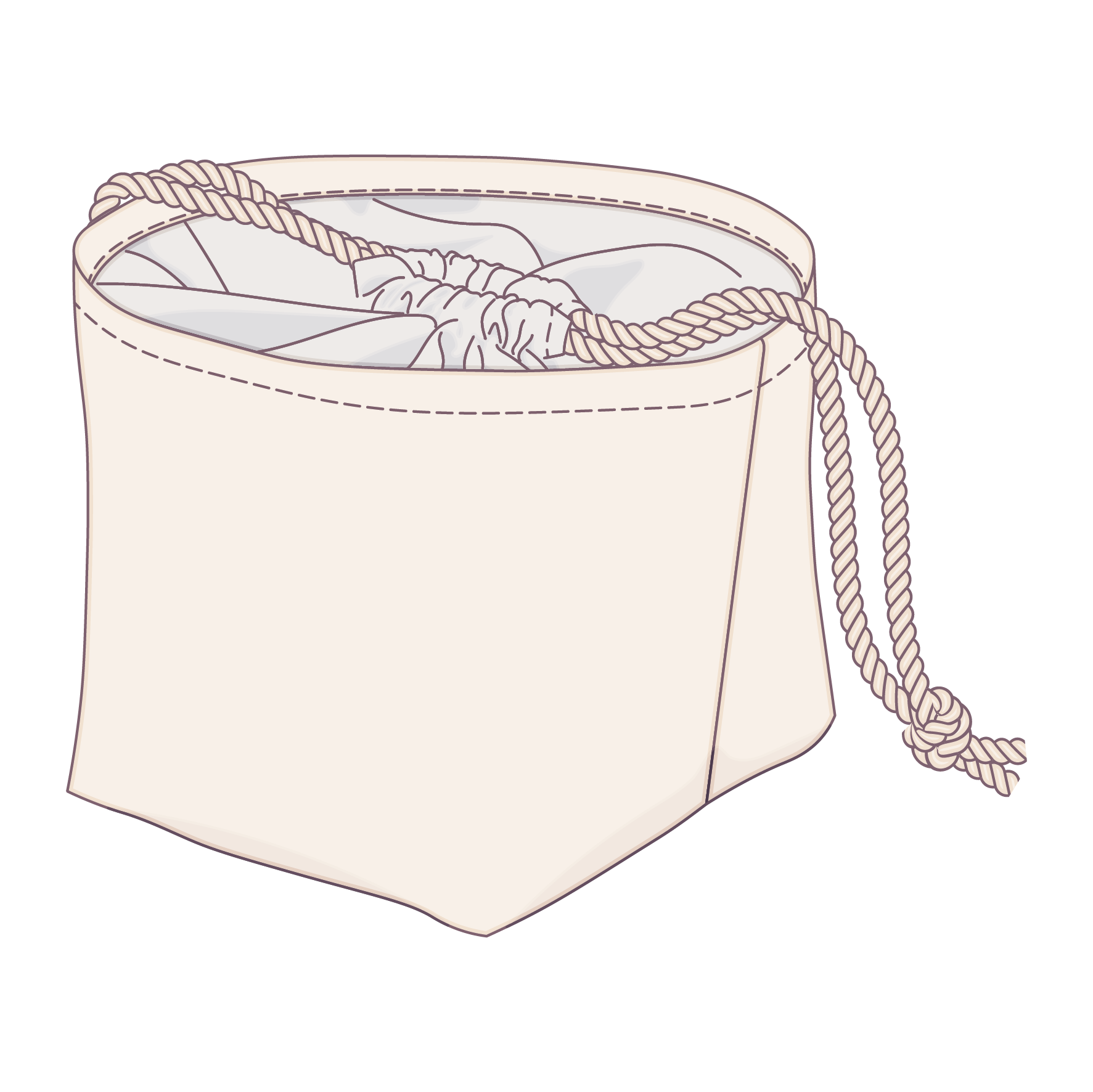
Storage Basket with Drawstring Closure
(4)
5,85 €
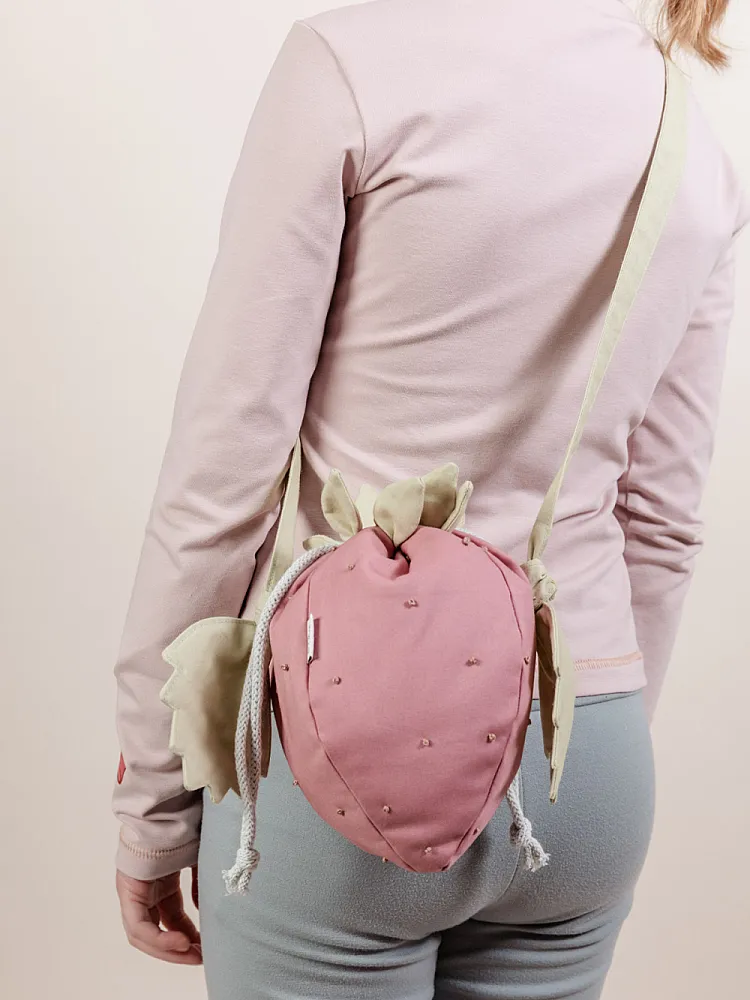
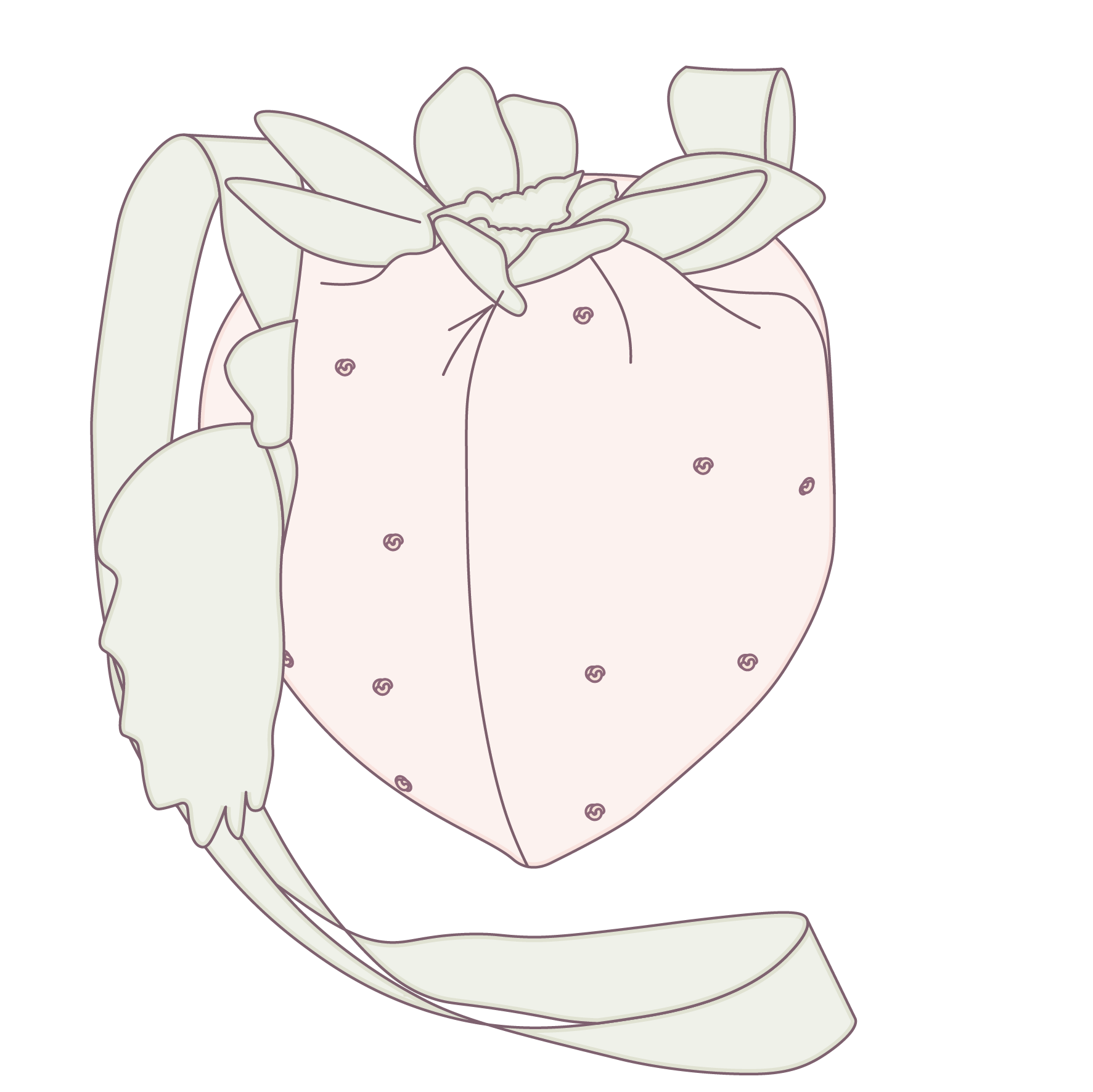
Strawberry Bag
(8)
6,95 €