Pattern with application template - No 040


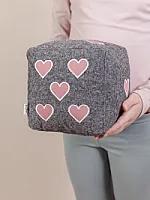
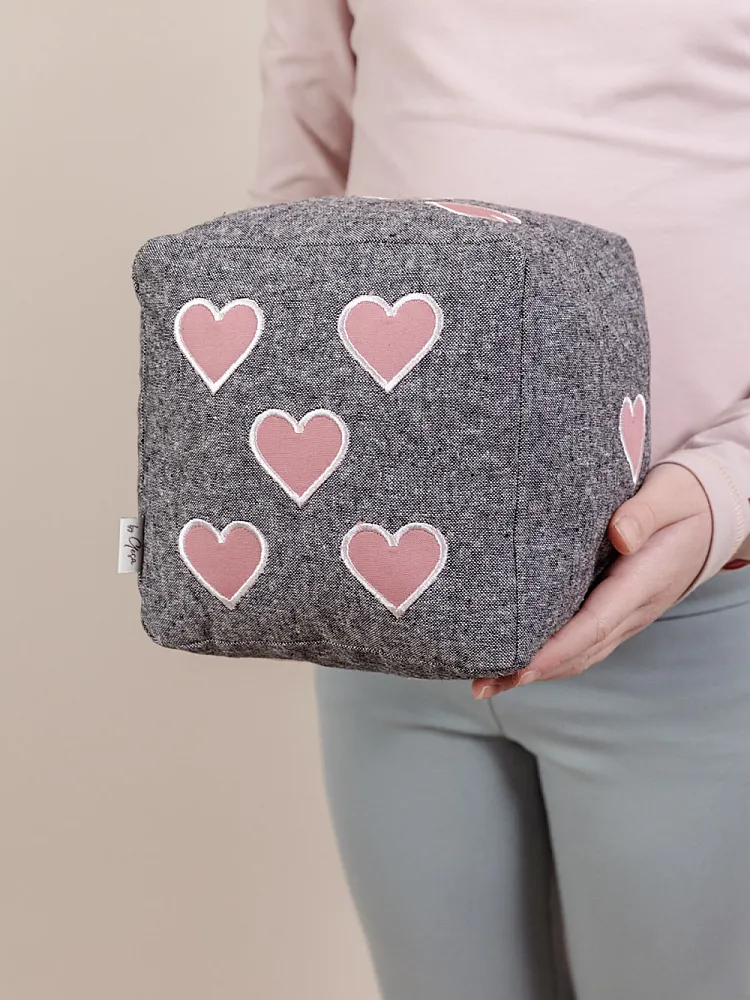
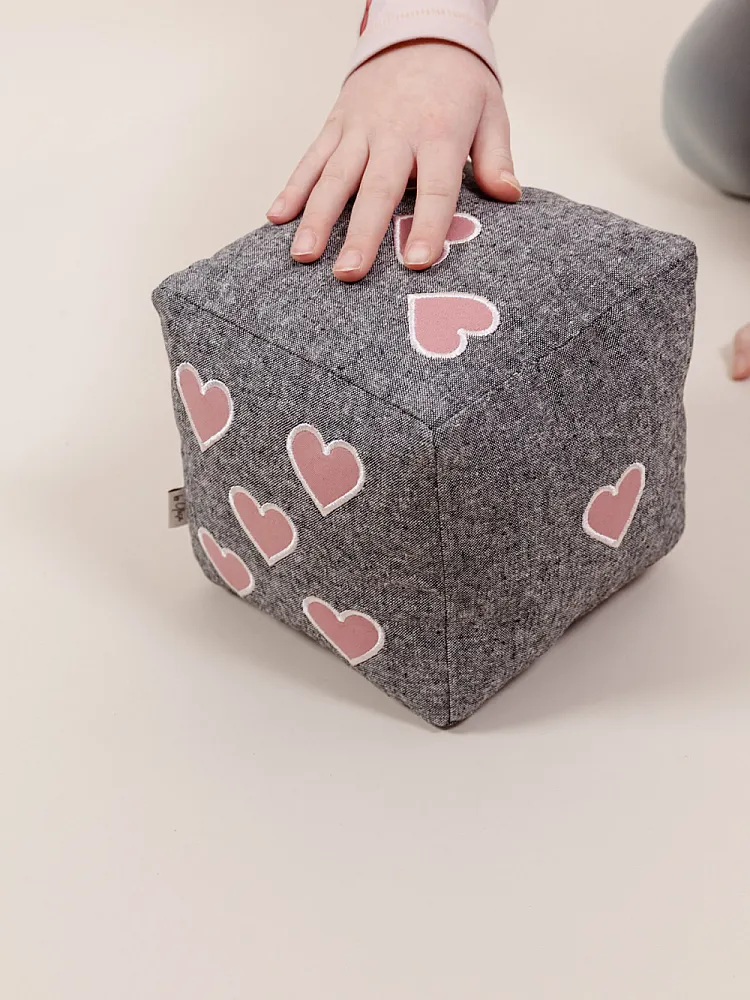
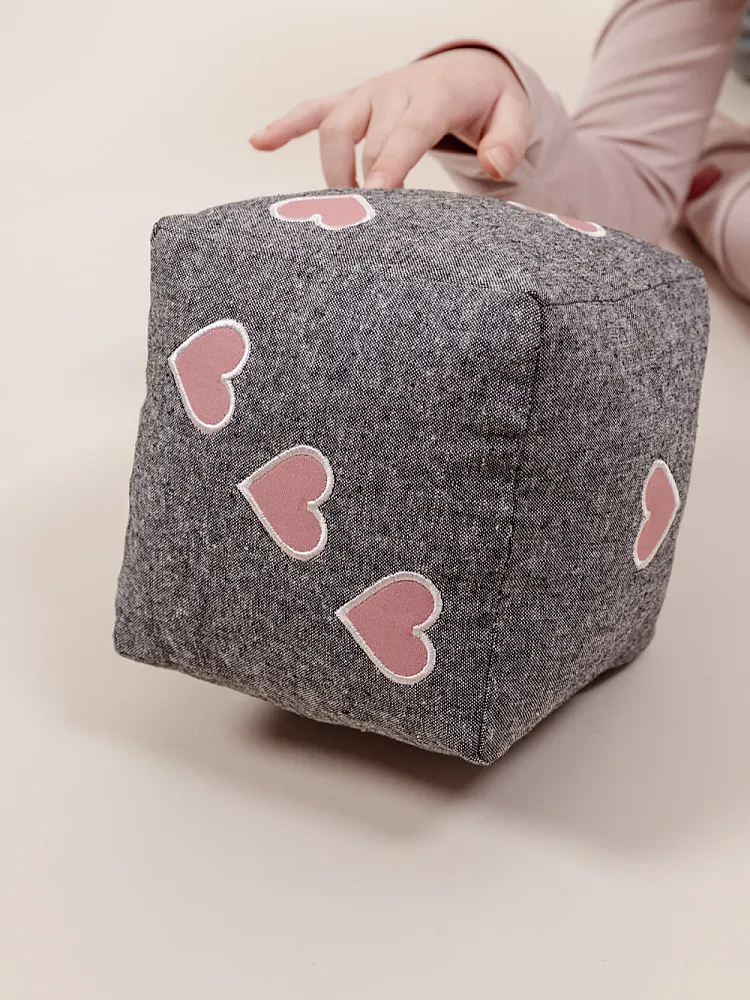
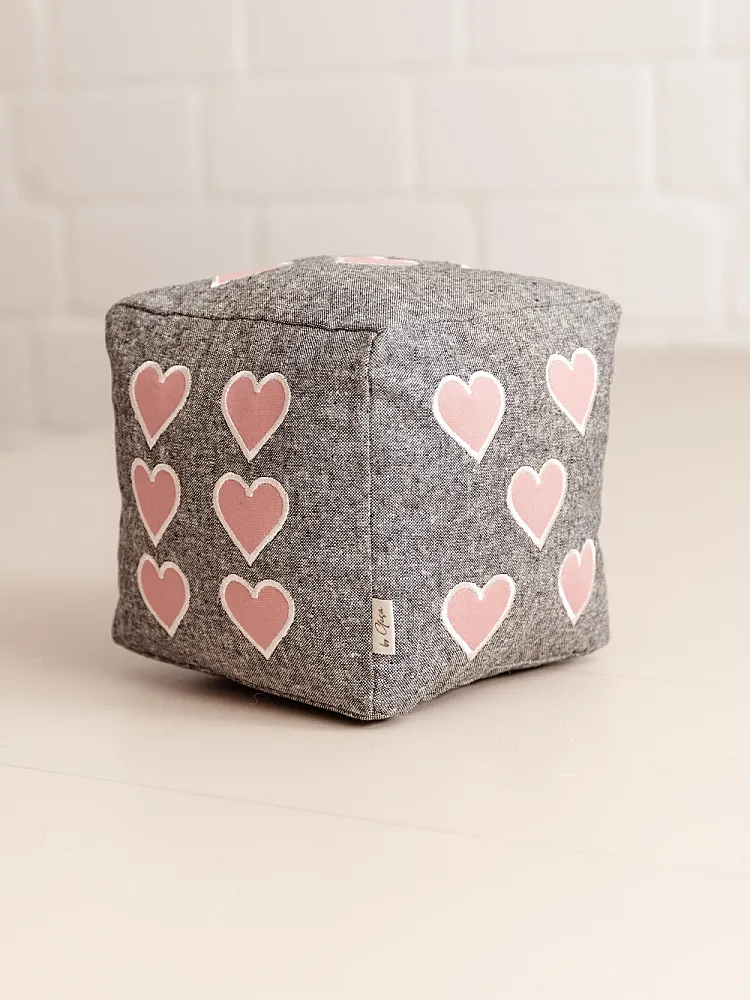
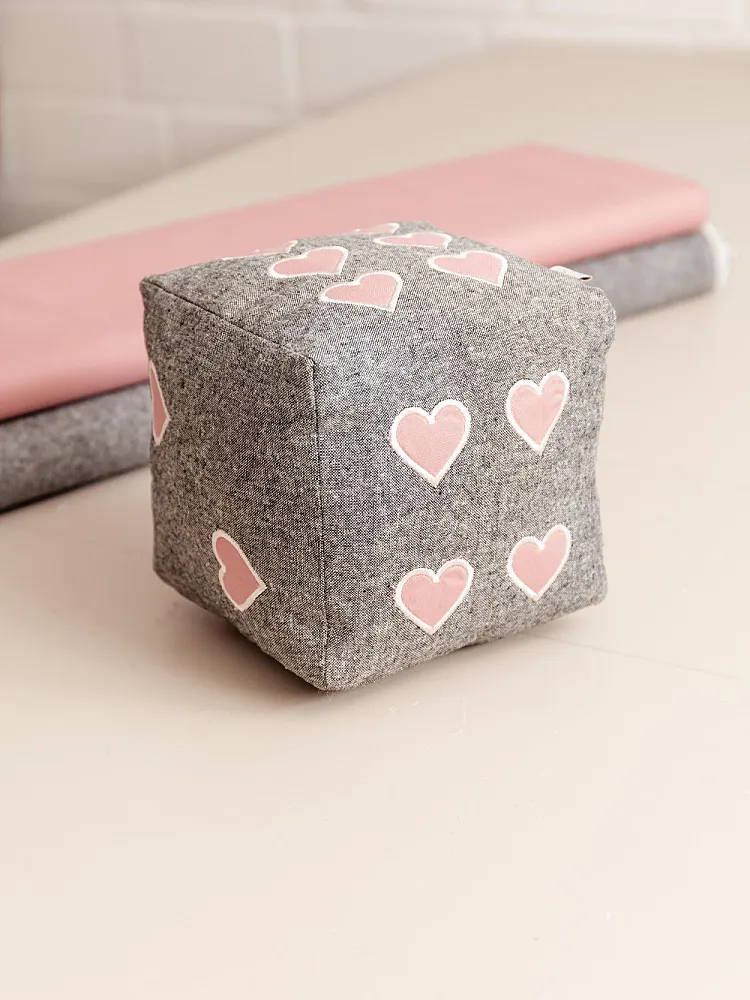
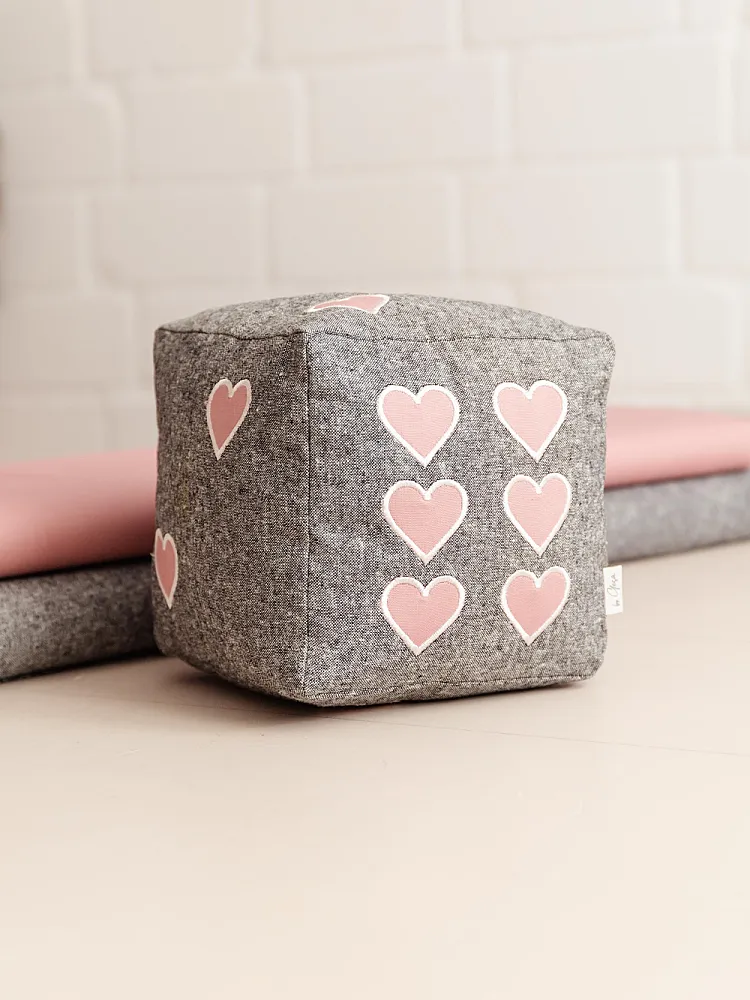
Fabric Dice with Hearts
What's Included
-
– Pattern with application template in A4, A3 and US-Letter format
 PatternSchnittmuster (PDF) - DIN A4, US-Letter, Beamer-Datei3 FilesLayered fileProjector file
AppliquéApplikationsvorlage (PDF) - DIN A4, DIN A3, US-Letter, Beamer-Datei4 FilesLayered fileProjector file
PatternSchnittmuster (PDF) - DIN A4, US-Letter, Beamer-Datei3 FilesLayered fileProjector file
AppliquéApplikationsvorlage (PDF) - DIN A4, DIN A3, US-Letter, Beamer-Datei4 FilesLayered fileProjector file - – Detailed instructions with 6 illustrated steps
- – Complete materials and tools list
-
– 10 basics guides with tips and tricks
- • Why and How to Finish Fabric Edges
- • Which Interfacing or Non-woven Interlining is Best for Cushions?
- • Pen, Chalk, or Marker? How to Mark Fabric Properly
- • How to Transfer an Appliqué Template onto Fabric
- • When Should I Use Bondaweb or Stabilizer for Appliqué?
- • How to Properly Secure Appliqué Pieces
- • How to Sew an Appliqué Properly
- • Which Stitches and Settings Are Ideal for Appliqué?
- • How to Sew a Ladder Stitch
- • How to Shape Corners and Curves Properly
- – Multilingual support (DE/EN)
- – Everything in One Place
Required Materials
-
Fabric A: 105 x 20 cm
For the outer sides of the cube. Medium-weight, non-stretch cotton fabric with a lightly textured surface.
-

Fabric B: Fabric Scraps
For the appliqués. Smooth, non-stretch cotton fabric with a dense weave.
-
Interfacing or Non-woven Interlining (optional):
If your fabric is too thin or the filling might show through, you can reinforce the pillow with non-woven interlining or fusible interfacing.
-
Vliesofix/Bondaweb (optional):
For securing the appliqué pieces.
-

Stuffing: As needed To fill the pillow and help it maintain its shape. Alternatively, fabric scraps or other soft materials can be used.
-
Embroidery Thread: Embroidery thread, size 40
For decorative stitching.
-

Sewing Thread: Universal sewing thread, thickness 120 Suitable for the recommended needle size NM 70–80.
Required Tools
-
Sewing Machine
-

Scissors - A large fabric scissors for cutting and a small thread snip for precise work.
-

Pins or Fabric Clips
-

Measuring Tool
-

Iron – For securing interfacing and appliqués.
-

Chalk or Marker – For transferring the appliqué template. Choose a removable marking tool such as tailor’s chalk or a fabric marker.
-

Needle – For closing the turning opening.
-

Blunt Tool – e.g., a corner shaper, chopstick, or crochet hook.
Description
The Y2K retro style is having a moment, and what could be more iconic than a set of dice for a kid’s room? I came up with this fabric dice project because I wanted something simple to sew, but still eye-catching. The little heart appliqués are my favorite part, they instantly give each cube a personal touch. A classic, but with a modern twist.
This pattern is perfect if you want a project that feels fun right away and still looks like you put real love into it. You don’t need any appliqué experience to get started, you’ll have everything you need to dive in confidently. And if hearts aren’t your thing, you can easily swap them for any other motif.
For the nicest finish, choose a slightly sturdier, non-stretch fabric. If your fabric is very thin, a layer of interfacing helps so the stuffing won’t show through later.
- Retro vibes with heart: The perfect mix of Y2K style and a personal touch.
- Beginner friendly: A great little win, even if appliqué is new to you.
- Made for the kid’s room: Cute as decor and fun to make.
Size: 15 x 15 cm
Pattern with application template - No 040
Fabric Dice with Hearts
What's Included
-
– Pattern with application template in A4, A3 and US-Letter format
PatternSchnittmuster (PDF) - DIN A4, US-Letter, Beamer-Datei3 FilesLayered fileProjector file
AppliquéApplikationsvorlage (PDF) - DIN A4, DIN A3, US-Letter, Beamer-Datei4 FilesLayered fileProjector file
- – Detailed instructions with 6 illustrated steps
- – Complete materials and tools list
-
– 10 basics guides with tips and tricks
- - Why and How to Finish Fabric Edges
- - Which Interfacing or Non-woven Interlining is Best for Cushions?
- - Pen, Chalk, or Marker? How to Mark Fabric Properly
- - How to Transfer an Appliqué Template onto Fabric
- - When Should I Use Bondaweb or Stabilizer for Appliqué?
- - How to Properly Secure Appliqué Pieces
- - How to Sew an Appliqué Properly
- - Which Stitches and Settings Are Ideal for Appliqué?
- - How to Sew a Ladder Stitch
- - How to Shape Corners and Curves Properly
- – Multilingual support (DE/EN)
- – Everything in One Place
Reviews
Loading reviews...
No reviews yet
Be the first to review this pattern!
Related Products
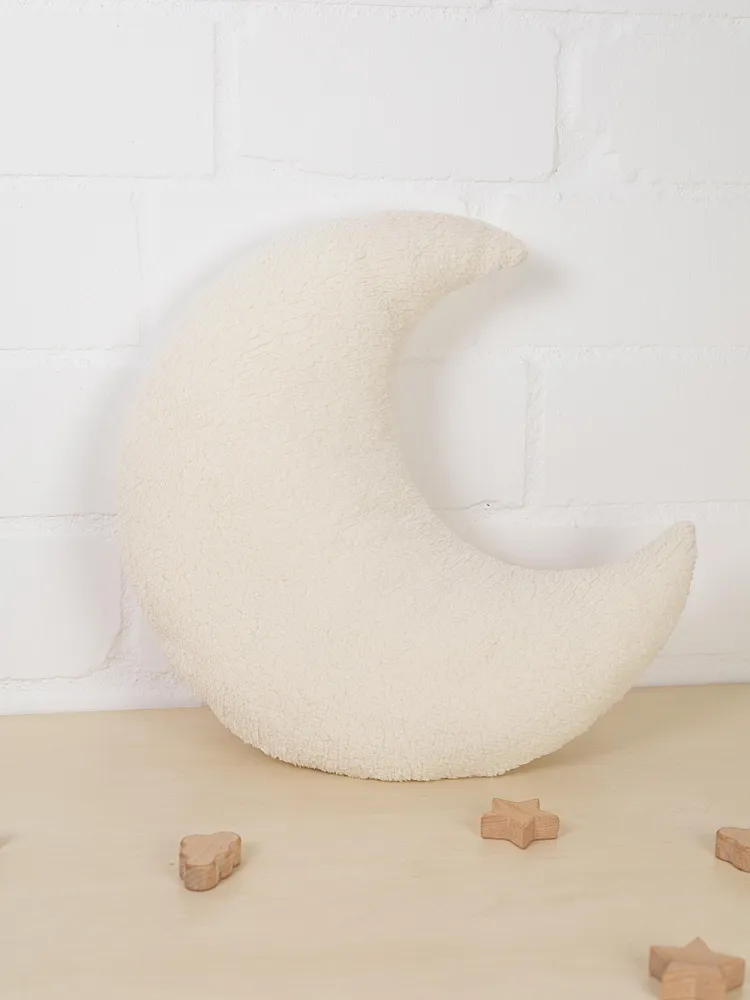
Moon Pillow
 (8)
(8)
3,36 €
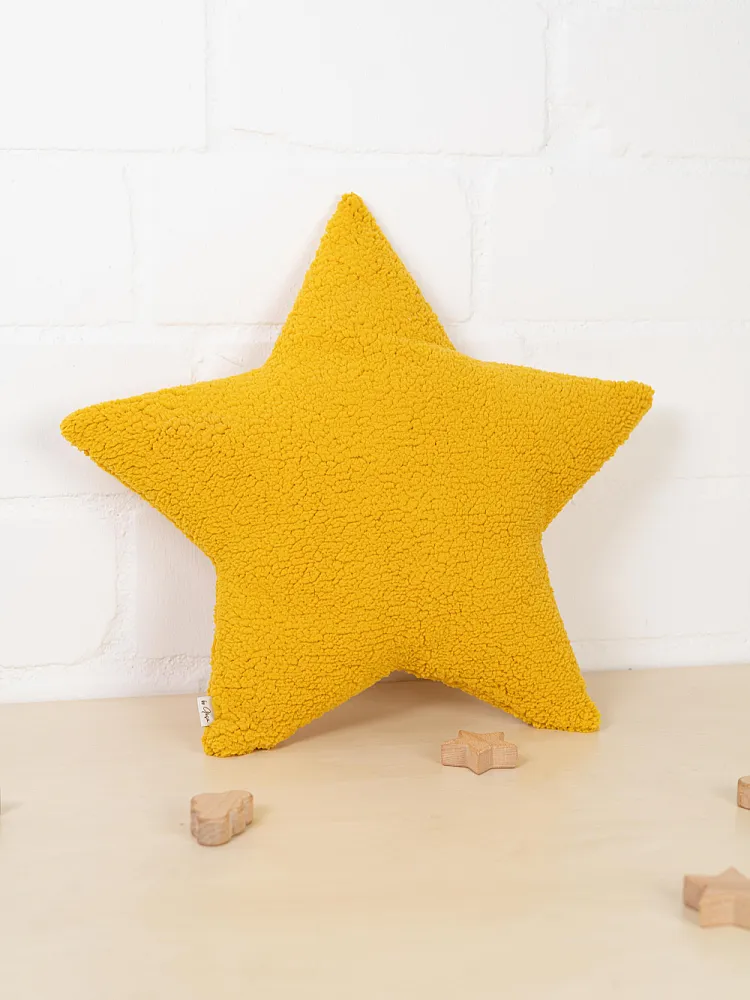

Star Pillow
(7)
3,36 €
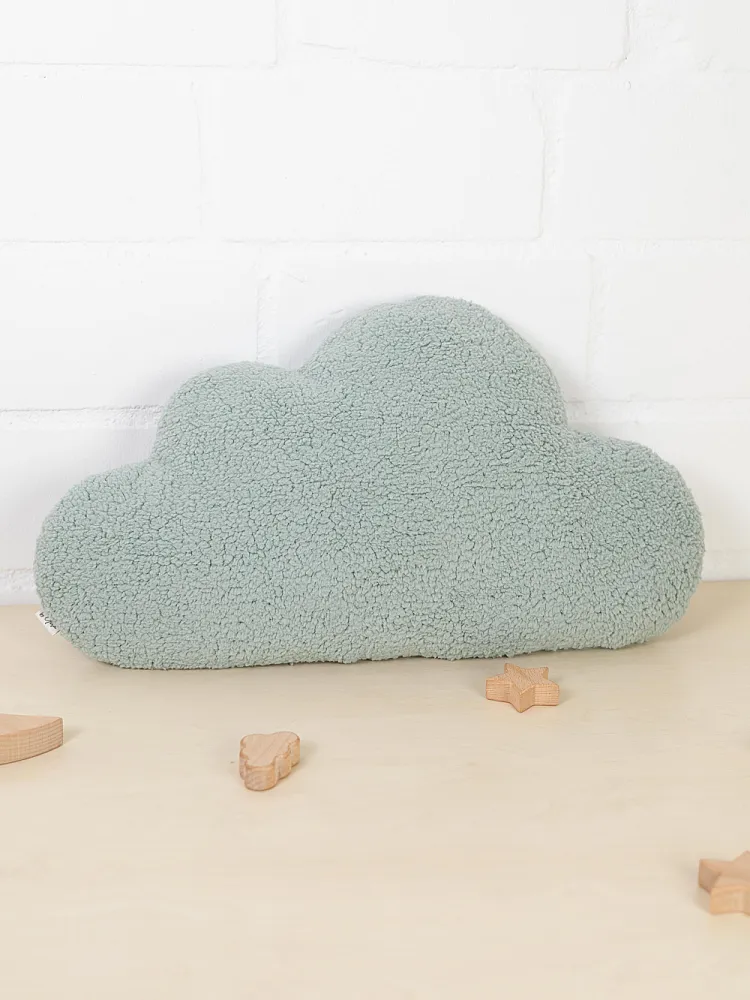
Cloud Pillow
(2)
3,36 €
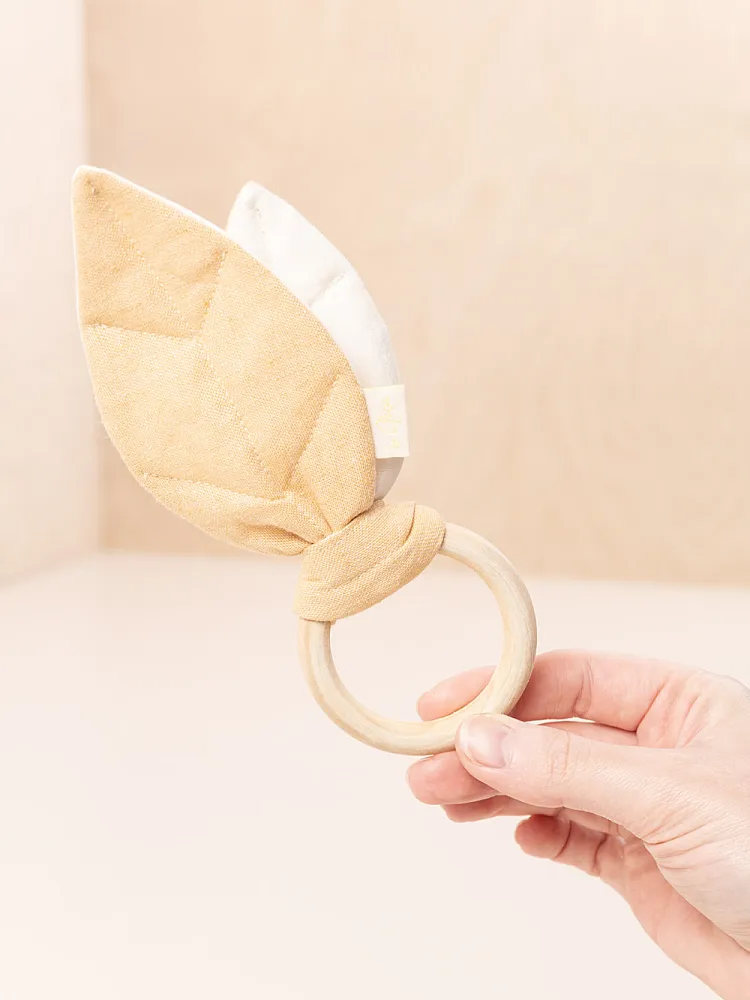
Teething Ring with Leaf and Crinkle Plastic
2,95 €